
Rotary dies for labels
Rotary dies for pressure-sensitive labels and narrow-web converting
Midway supports label converters with solid rotary dies, flexible dies, magnetic cylinder guidance, anvils, gears, and resharpening programs that protect uptime across changing SKUs.
Direct answer
Midway builds rotary dies for pressure-sensitive papers, BOPP and PET films, foil and film/foil laminates, linerless label stock, window envelopes, business forms, and specialty label constructions.
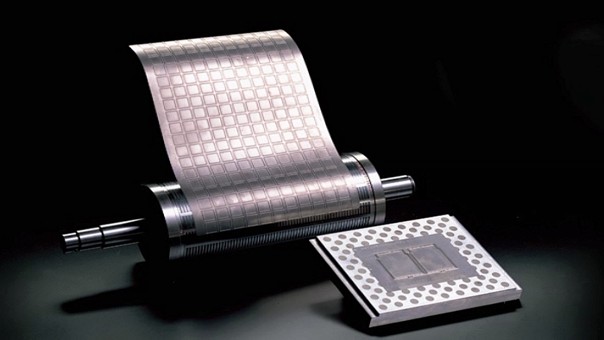
Label tooling options
Label programs often shift between short-run SKU changes, foil constructions, filmic liners, linerless stock, and longer repeat orders. Midway helps choose between flexible dies, solid rotary dies, matched anvils, and slug-removal hardware based on run length and process risk.
- Flexible dies for fast changeovers and promotional runs
- Solid dies for long runs, abrasive materials, and repeat resharpen cycles
- Anvils and gears to stabilize registration and kiss-cut pressure
- Air, vacuum, pulse air, and pin solutions for slug control
Materials supported
Midway supports common label stocks and more difficult mixed constructions by reviewing liner release, adhesive coat weight, varnish, foil, film thickness, target speed, and die station limits before recommending a build.
- Pressure-sensitive papers and direct thermal stocks
- BOPP, PET, and optical films
- Foil, film/foil laminates, and shrink constructions
- Linerless label stock, envelopes, tapes, and specialty webs
Related capabilities
Common questions
Should label converters use solid or flexible rotary dies?
Flexible dies often fit short to mid-run label jobs and rapid changeovers, while solid rotary dies are stronger for long runs, abrasive liners, tighter tolerances, and repeated resharpening.